(Week Eight)Small UAV, Big Shipping Box

Updated: Apr 27, 2019
The C-Astral Bramor finally gets added to AT 419 capstone courses' inventory! With this
addition, the scope of possible data collection applications has been greatly expanded.

Bramor ppX is an unmanned system that is deigned using the "flying wing" concept. The drone gets its thrust from a small, pusher-style brushless, electric motor. These many features allowed for C-astral to boost many attractive features for the Bramor UAV. Of the features, thress more appealing are the 3 hour flight duration, multiple payload/sensor integration options, and ability to fly in less than favorable weather conditions, i.e. 30 knot winds.
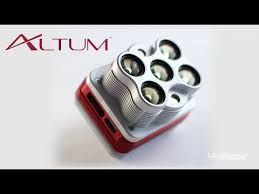
The capstones' Bramor comes equipped with a revolutionary 3-in-one sensor from MicaSense, the Altum. This sensor provides thermal, multispectral, and high-res RGB imagery in one integrated payload. This powerful sensor weighs less than 1 lb and integrates well into many popular drone models, including DJI. This integration capability simplifies future mission if other platforms other than the Bramor are used. This integrations benefits the UAS capstone when specifically using the DJI-M600 ,which is also in the UAS capstones inventory.
Un-boxing of the Bramor occurred during week 8 of the capstone course, and everyone is excited to put it into operation. It appears to be relatively simple to use, operate and maintain. One of my focuses will be to become an SME for the Bramor and its applications for the Capstone course.

It is important to note the problem of data when it comes to the this sensor. My dad used
to say, "to much of anything is bad for you!" This is true when it comes to the type of analysis we will be conducting this semester and gathering multispectral data. An excess of data during collection could lead to a potential flooding and loss of original intent. With to much data, it may be hard to pull out what is necessary from that mound of information. To help put this into perspective, each image taken with the multspectral sensor has a resolution of 2064 x 1544. That translates to 3.2 megapixels per band per image. When saved as a 16-Bit TIFF, it requires 32 MB of storage space per image take plus the additional metadata embed EXIFs. To complicate it more, the Altum has a write speed of 1 image per second. For a 15 minutes of data collection at one image per-second, that renders a possible 900 images with about an 80 percent possible overlap.
Each multispectral image has five bands of data for a grand total of roughly 29 Gigabytes of stored data! That represents a hug amount of data! If you consider that the Bramor has a flight time of about 3 hours, and you were wanting the same amount of overlap of multispectral images for most of the flight, you would have to accommodate a needed storage of about 345.6 Gigabytes of information.

With the high resolution and the five light band processing, this potential for an excessive amount of data will cause delays in processing and analysis. making it extremely difficult to get the information out that we needed while ignoring what we do not. This delay, mixed with the cost of the sensor, would be unrealistic for our classroom and learning applications. Unless multi-spectral information is specifically needed needed, the original payload RGB sensor will replace the Altum on the Bramor airframe.


Comments